How to avoid scams on 1688 is now a major concern for cross-border e-commerce sellers, especially with the rise in popularity of Alibaba’s B2B platform 1688.com as a major sourcing channel for global buyers seeking cheap Chinese suppliers. On this site, there are numerous producers, trading firms, and wholesalers offering their goods at very competitive prices, which can be found in almost every kind of product. For many small and medium-sized sellers, 1688 has become a real “treasure platform,” enabling them to reach the enormous manufacturing sector in China.
Nonetheless, there are always two sides to a coin; many global buyers who buy from 1688 have fallen victim to one scam or another, such as fake logistics, pop-up stores that vanish after payment, and private transfer fraud, among others. This poses a critical query to overseas procurement units and Amazon vendors: how to avoid scams on 1688 and still ensure that cash flow is maintained as well as operations run smoothly?
In the discussion below, you will find a comprehensive guide on the typical scam techniques, how to buy safely, as well as digital tools for creating secure, intelligent, and cost-effective cross-border supply chains.
What Is 1688 and Why Cross-Border Buyers Use It
The reason it’s cheaper than Alibaba. com, which targets export buyers, is because 1688 is meant for the Chinese B2B market. This has led to the attraction of various foreign resellers, dropshippers, as well as brand owners seeking for a way in which they can obtain goods directly from the manufacturers at lower costs or prices without paying export duties and taxes and especially after they have come to know about 1688 and its role in the greater sourcing environment.
A lot of overseas sellers are asking, “How to avoid scams on 1688.” probably because the site does not have many of the inbuilt protections found on platforms meant for exporting goods and services. This implies that non-domestic purchasers must be very careful.
Why Scams Happen on 1688
It is not that the 1688 platform is unsafe by itself but there are scams due to some reasons such as:
- The platform favors local traders – there is little English support and most sellers do not know how to deal with customers from other countries
- Non-domestic complaints have less protection for buyers
- Export compliance not assured
- Limited international dispute resolution services
- It is easy to create a store on this platform
- High pricing competition which encourages deceitful acts
These features make it difficult for any foreign buyer who has not taken the time to study the market properly to be safe.
Common Types of 1688 Scams Cross-Border Buyers Should Watch Out For
Fake Logistics & Tracking
The tracking numbers given by sellers are for “dedicated line” but they are fake and do not show the real shipment details. It could be too late for the buyer when he/she realizes that the seller has already shut down his/her store.
Misrepresented Product Specs
The listing photos might contain top-notch examples, but the mass production would have utilized inferior materials, cheap parts, or downgraded packaging.
Fake Factory Claims
There are some storefronts that pose as factories, yet they are only trading firms or pure scams that have stolen pictures.
Payment Diversion via WeChat
Buyers are persuaded by scammers to make payment transactions through private accounts (WeChat, personal bank accounts), where they avoid platform-mediated protection.
Pop-Up Stores That Collect Cash Then Disappear
It is possible for a seller to do business for between 3 and 12 months, get huge payments and then close shop immediately to avoid any arising disputes. Such new stores are at a greater risk since they have no history.
How to Avoid Scams on 1688 (Step-by-Step)
Even if you don’t have extensive sourcing experience, these are the key steps of how to avoid scams on 1688
Step 1 — Comprehensively Review Suppliers
The quality of products is not the same among the millions of suppliers in 1688. To avoid being a victim of fraud, one must first identify a reliable seller.
- Check Certification Logos: Give priority to shops that have badges such as “Deep Factory Audit”, “Powerful Merchant” or “Brand Authorization” because they show that the platform or a third party has verified the companies credentials and capabilities.
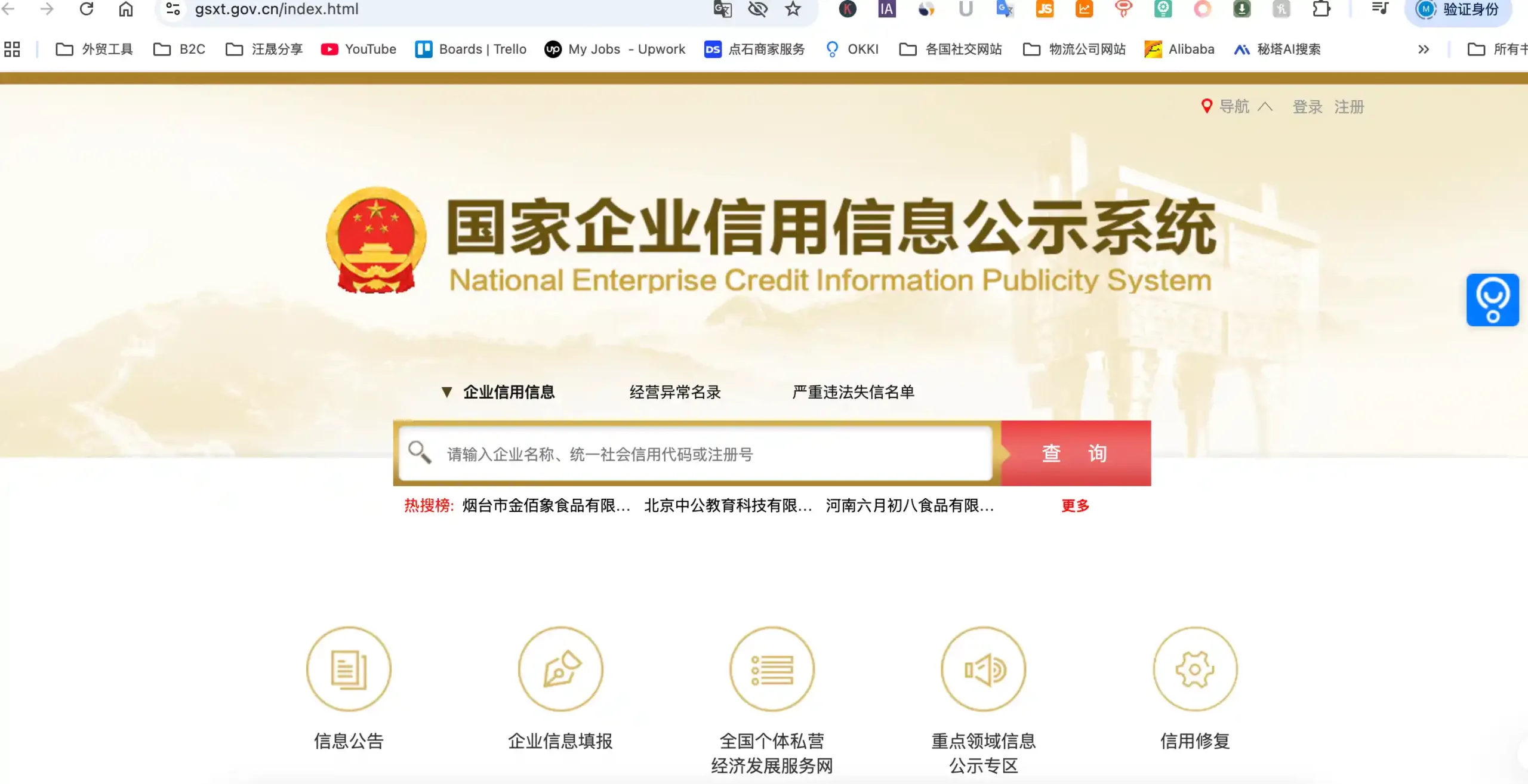
- Verify Business Qualifications: Confirm that the supplier’s business license, registered capital, operating range and other information are consistent with what is available in the National Enterprise Credit Information Publicity System.
- Analysis of Transaction Data and Reviews: Verify the genuineness of monthly transaction levels and client feedback. Be on the lookout for short spikes in false reviews or very high ratings.
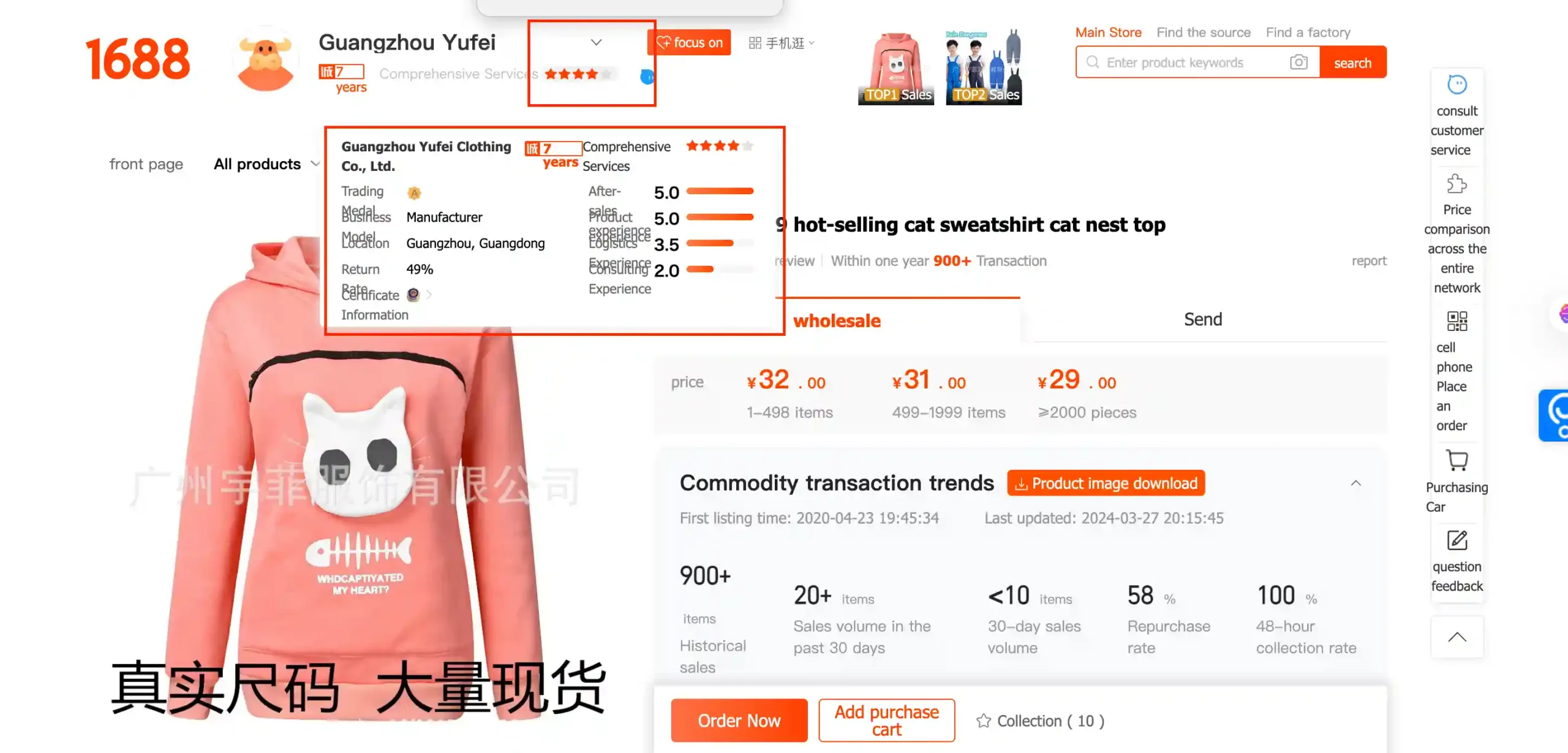
- A minimum of three years selling experience in a 1688 store is required for the 1688 seller; Yes, the annual membership fee for sellers on the 1688 platform is typically: RMB 6,688 per year about 1000USD — This refers to the standard annual fee for a Chengxintong (诚信通) membership, which is required for most factories and suppliers to operate officially on the 1688 platform. So if you want to pay one big amount like 10,000USD to one 1 years store, they may have a risk, cause they can get money and close the store and not send you the items, you lose the 1688, and Alibaba group protects. They really can happen.
- Request for a video or video call showing their factory. Alternatively, visit the factory in person; be wary of those who will not allow you see them or give their address since they are likely just trading companies.
Step 2 — Request and Strictly Test Samples
Before making bulk purchases, always ask for samples. This is an important step that will help you assess the product’s quality.
- Test Material Quality: Request for test reports like CE, FCC, or GB/T certifications. Absence of reports indicates increased risks. If unsure about the CE being genuine, one could refer to our other BLOG here.
- Compare Process Details: Look at the quality of sewing, printing, parts and materials vis-à-vis what has been indicated about them.
- Inspect Packaging & Labeling: Particularly with respect to well-known products, see to it that the packaging is as specified and does not contain any false information or is of inferior quality.
Think of placing a small trial order (50–100 units) for checking uniformity and service at a low scale level before going for large orders.
Step 3 — Use Safe Payment Channels and Contracts
-
Utilize Alipay Escrow Services: By using Alipay, you will be able to keep your money safe until the buyer says that he has received the item, hence reducing the risk involved. Say no to those private WeChat conversations or making payments through the bank.
-
Append E-signatures on Purchase Contracts: Make use of 1688’s contract feature when dealing with high-value purchases. It should include the dates of delivery, specifications of products, terms for after-sales and breaches.
-
Maintain Documentation: Keep evidence such as chat history, purchase records and receipts for future reference.
-
Don’t pay in full. It should always be 30% first then 70% balance later. It’s acceptable for them to require full payment as well in case the total cost is under 500 USD.
Step 4 — Monitor Logistics & Verify Tracking
Fraudsters mostly target the logistics phase. Be cautious.
- Use Verified Tracking Numbers: Choose service providers like Cainiao or SF Express and avoid using “dedicated lines” or internal tracking numbers.
- Employ Independent Surveyors: Contract the services of companies such as Bureau Veritas or Intertek to carry out quality control, ascertain quantities and conduct pre-shipment inspection.
- Confirm Export Papers: Ascertain that all the required documents, such as invoices, packing lists, and export declarations, are in place so that there are no problems with customs clearing them.
Step 5 — Leverage Digital Procurement Tools
The following are some of the ways that could be employed so as to ensure secure cross-border procurement for the future:
- Use Procurement Plugins: Tools like “Fire Eye Identification,” “1688 Assistant,” and “AliTools” help analyze seller credibility and price history.
- Search Smarter: Optimize your search by filtering with terms like “Foreign Trade Supply,” “RTS,” and “Cross-Border Hot Items” so that you can get to better suppliers quickly.
- Integrate with ERP: Ordering systems such as Dianxiaomi, Mabang, or Tongtu should also work in connection with the inventory and payment reminders automatically.
- Set Inventory Warnings: Keep an eye on your stocks live and make sure that you replenish fast-moving products just before they are about to finish.
Step 6 — Build Internal Supplier Controls
Reducing risk goes beyond platform mechanisms; internal procurement systems and a transparent sourcing process are important as well.
- Join Seller Communities: Participate in Hugo, WeAreSellers, and 1688 forums where you can learn about fraud from other people’s experiences and also narrate your own.
- Create Internal Supplier Ratings: Monitor every supplier’s performance, keep an up-to-date black list to prevent recurring hazards.
- Train Your Team: Teach your purchasing employees how to identify fraud and make sure that they always follow the same buying procedure.
Warning Signs a 1688 Supplier Is High-Risk
Beware of the following:
- New stores that are too demanding and want a lot of money upfront
- Compulsory exclusive payment channels
- Not providing the address of the factory
- Incongruous particulars with regard to business permits
- Prices that are “very cheap to believe.”
- Abrupt increases in positive reviews
- Lack of knowledge on export compliance or incapability to export goods
If you see a combination of these signs, leave as there are many such patterns which can be seen in typical fraud on other sourcing platforms.
Does 1688 Offer Buyer Protection for Foreign Buyers?
When learning how to avoid scams on 1688, it’s important to understand how buyer protection actually works on the platform. On this site, one can get refunds and have his or her disputes mediated. However, it is not as effective when it comes to foreign claimants because most of the time:
- they have to present evidence in Chinese
- their disputes are governed by internal laws
- the platform gives first priority to local logistics
- by default there is no assurance for export compliance
As a result, buyers such as foreign procurement teams, Amazon sellers, and cross-border e-commerce brands often employ professional sourcing partners and third-party QC services while purchasing from 1688.
Best Digital Tools to Verify Suppliers on 1688
Some of the effective tools are:
- Sourcing verifiers that are plugin-based
- Systems for visibility that are ERP-based
- Pre-shipment QC software
- Managers of compliance documents
These tools reduce both transaction risk and communication friction.
Should You Use an Agent or Third-Party Inspector?
Many overseas vendors find it challenging to know how to avoid scams on 1688. However, they can easily be assisted by professional partners in overcoming some of the operational deficiencies left out by the platform. Depending on volume and complexity, external teams can strengthen procurement controls and reduce risk.
- Sourcing agents are in charge of choosing, negotiating with and checking suppliers.
- The QC inspectors check the goods before they are shipped to make sure that they comply.
- Warehousing consolidators combine products obtained from different suppliers so as to facilitate their exportation.
- Export brokers oversee customs, documentation, and HS code accuracy.
Amazon sellers, private label brands, and cross-border e-commerce teams extensively use these services because they require fast and secure sourcing from China.
Final Thoughts
Despite being an amazing source of goods, 1688 can only be fully utilized when one is able to effectively deal with the risks that are involved through proper vetting of suppliers, testing of samples, making safe payments, ensuring reliable logistics and using digital procurement tools. By doing so, buyers across borders can avoid fraud on 1688 while building strong, expanding supply chains.
Safety should be given priority over other factors in cross-border e-commerce; however, efficiency is also important. Knowing how to avoid scams on 1688 now forms part of the offense, a clear indication of the level of advancement in procurement and operations today. At SourcingXPro, we have witnessed that structured workflows, such as compliance checks or factory audits, can greatly mitigate sourcing risks for global vendors while still enabling expansion.